Voyageurs
National Park
Minnesota
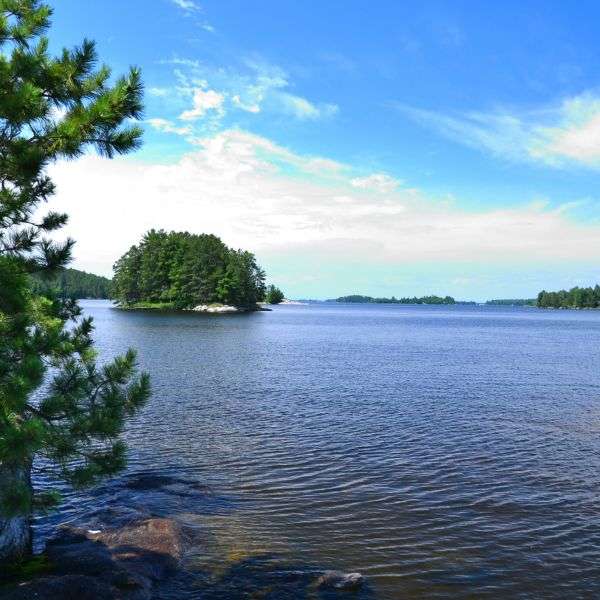
stunning interconnected waterways, pristine lakes, and abundant wildlife
Fast Facts
Location
northern Minnesota
Established in
1971
Established by
President Richard M. Nixon
Size
350 sq. miles
Known For
- Known for its intricate network of waterways, including lakes, rivers, and interconnected channels
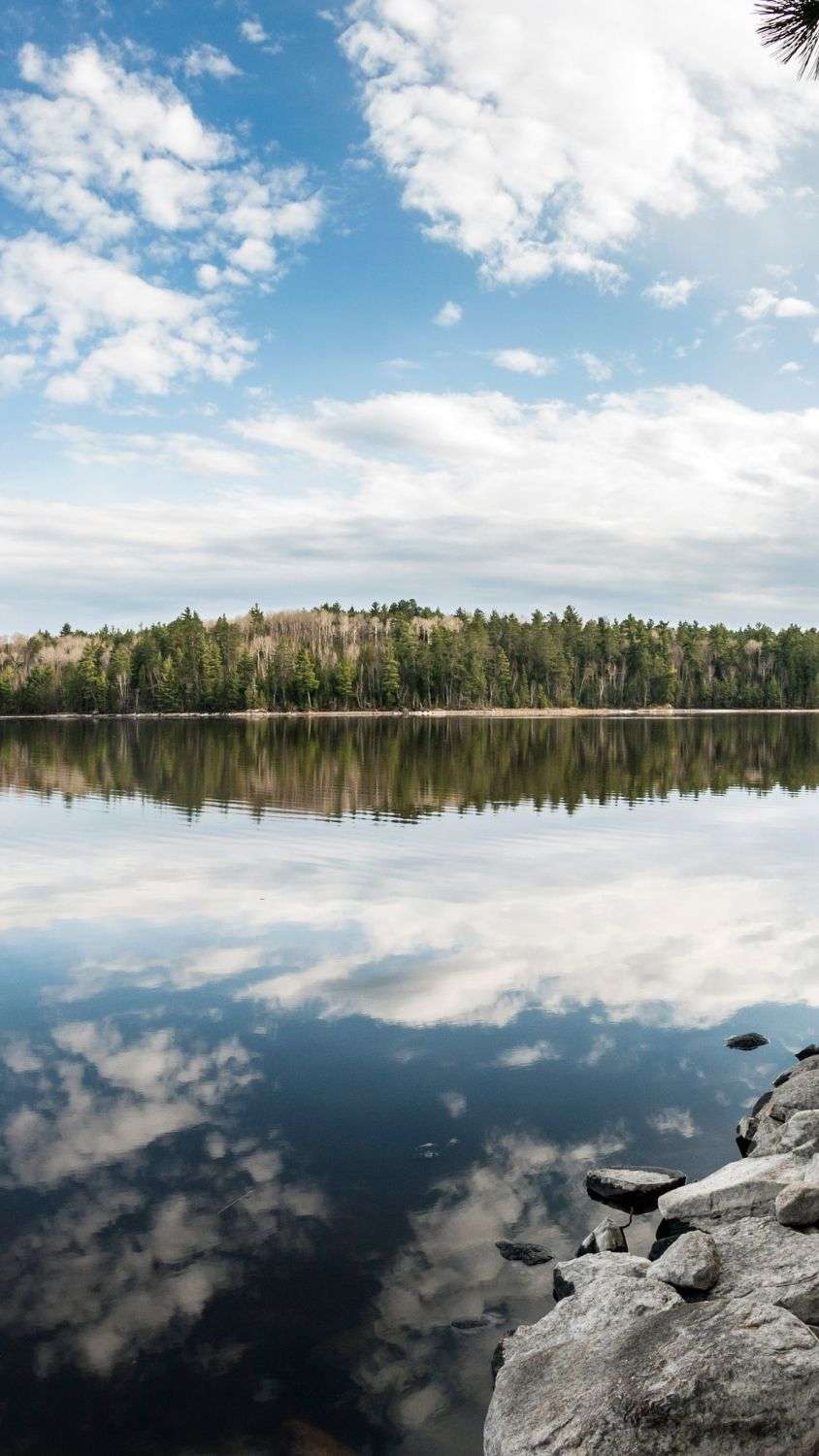
- Celebrated for its unspoiled natural beauty, characterized by dense forests, rocky shorelines, and untouched landscapes
- Visitors often explore by boating and canoeing activities, navigating the park's extensive water routes to discover hidden coves, remote islands, and breathtaking vistas
History
Natural History and Formation
Voyageurs National Park in northern Minnesota has a geological history that stretches back more than a billion years. The park's landscape was shaped by ancient rocks, volcanic activity, moving glaciers, and erosion. These forces created the forests, rocky shorelines, and many lakes that make the park unique today.
Ancient Precambrian Rocks: The foundation of Voyageurs National Park is made of very old Precambrian rocks that formed more than a billion years ago. These rocks include granite and gneiss, which create many of the rocky islands and shorelines found throughout the park.
Midcontinent Rift System: About 1.1 billion years ago, the Earth's crust began to stretch and crack in this region, forming the Midcontinent Rift System. Volcanic activity caused magma to rise and cool, creating some of the ancient rocks that are part of the park's bedrock.
Glaciation: During the Ice Age, large glaciers moved across the region and changed the landscape. The glaciers carved valleys, moved rocks, and left behind deposits of soil and gravel. This glacial activity helped create the rugged terrain and waterways seen in the park today.
Formation of Lakes and Waterways: As glaciers melted and retreated, water filled low areas in the landscape. This process formed the large lakes and connected waterways that define Voyageurs National Park, including Rainy Lake, Kabetogama Lake, and Namakan Lake.
Erosion and Ongoing Changes: Wind, water, weather, and other natural forces continue to shape the park's landscape. Erosion slowly changes shorelines, exposes ancient rocks, and helps create the varied terrain found throughout the park.
The geology of Voyageurs National Park tells the story of Earth's long history. Ancient rocks, glacial features, and changing waterways combine to create the unique landscape visitors experience today.
Native History
The area that is now Voyageurs National Park has a long Native American history, with Indigenous peoples living in and using the region for thousands of years. The Ojibwe people have a strong connection to this land and its waterways, which have supported their traditions, travel, and way of life.
Ojibwe People: The Ojibwe, also known as the Chippewa, are part of the Anishinaabe people and have lived in the region around Voyageurs National Park for many generations. They relied on the area's forests, lakes, and rivers for food, materials, and cultural practices.
Fur Trade: During the 1700s and 1800s, the fur trade became an important activity in the region. Ojibwe hunters and traders worked with European and American fur traders, helping move goods and knowledge across the vast network of waterways.
Canoe Routes: The lakes and rivers of Voyageurs National Park were important travel routes for the Ojibwe and other Indigenous groups. Canoes allowed people to travel, trade, gather resources, and maintain connections between communities.
Spiritual and Cultural Importance: The land and waterways of the park hold deep cultural meaning for the Ojibwe people. Natural features, including forests, lakes, and islands, are connected to stories, traditions, and spiritual practices passed down through generations.
Traditional Practices: The Ojibwe used traditional knowledge to care for the land. Activities such as fishing, harvesting plants, and managing natural resources helped maintain a balance between people and the environment.
Continuing Connection: Today, Ojibwe communities continue to maintain cultural connections to the lands and waters of Voyageurs National Park. The National Park Service works with tribal partners to preserve and share the history and traditions of the Indigenous peoples connected to the region.
Voyageurs National Park recognizes the important role of Native American communities in the history of the area. Their knowledge, traditions, and ongoing connection to the land remain an important part of the park's story.
Preservation
The preservation history of Voyageurs National Park reflects many years of efforts to protect its forests, waterways, wildlife, and cultural resources. Conservationists, local communities, and government agencies worked together to protect this unique landscape for future generations.
Early Conservation Efforts: In the early 1900s, people began recognizing the importance of the region's lakes, forests, wildlife, and cultural history. Support grew for protecting the area's natural beauty and important waterways.
Establishment as a National Park: Voyageurs National Park was created on January 8, 1971, when President Richard Nixon signed legislation establishing the park. The goal was to protect the area's lakes, forests, wildlife, and cultural resources while allowing visitors to enjoy the landscape.
Park Development: After the park was established, the National Park Service worked to develop visitor services, protect natural resources, and preserve historic sites. Efforts included managing forests, protecting wildlife habitats, and sharing the area's history with visitors.
Boundary Protection: Over time, adjustments have been made to help protect important natural areas and support cooperation with nearby communities. These changes help balance conservation needs with local land uses.
International Cooperation: Voyageurs National Park is part of a larger ecosystem that extends into Canada. The park works with Canadian conservation partners, including areas such as Quetico Provincial Park, to protect shared forests, waterways, and wildlife.
Today, Voyageurs National Park continues to protect a landscape shaped by ancient geology, glaciers, Indigenous history, and natural ecosystems. Conservation efforts help ensure that future generations can experience the park's lakes, forests, and cultural heritage.
Future Preservation
Protecting Voyageurs National Park requires careful management of its forests, lakes, wildlife, and cultural resources. The park faces several challenges that require cooperation between scientists, park managers, local communities, and visitors.
Invasive Species: Non-native species, such as zebra mussels and spiny water fleas, can harm the park's aquatic ecosystems. These invasive species may compete with native animals and change the natural balance of lakes and waterways.
Climate Change: Changing temperatures and weather patterns can affect Voyageurs National Park's plants, animals, and waterways. Warmer conditions may change lake levels, alter habitats, and impact species that depend on the park's forests and lakes.
Water Quality: Keeping the park's lakes and rivers clean is an important challenge. Pollution and runoff from nearby areas can introduce nutrients and harmful substances into the water, affecting fish, wildlife, and aquatic habitats.
Visitor Impact: Recreation is an important part of the park, but increased use can create challenges. Boating, camping, and hiking must be carefully managed to reduce damage to shorelines, forests, and wildlife habitats.
Cultural Resource Protection: Voyageurs National Park contains important cultural sites connected to Indigenous peoples, the fur trade, and early settlers. Protecting archaeological sites and historic structures from damage helps preserve the park's history.
International Cooperation: Voyageurs National Park is connected to natural areas in Canada, including Quetico Provincial Park. Working with Canadian partners helps protect shared ecosystems, wildlife, and waterways.
Funding and Resources: Protecting a large national park requires enough funding and staff. Limited resources can make it harder to maintain facilities, conduct research, and complete conservation projects.
Wildfire Management: Wildfires are a natural part of many forest ecosystems, but they can threaten visitor safety and park facilities. Careful planning helps manage fires while protecting forests and wildlife.
Protecting Voyageurs National Park requires teamwork, research, and responsible use of its resources. These efforts help preserve the park's lakes, forests, wildlife, and cultural history for future generations.
Geography
Voyageurs National Park, located in northern Minnesota, is a unique landscape shaped by forests, lakes, and rocky shorelines. The park is known for its interconnected waterways, including large lakes, rivers, and forested islands that create a beautiful North Woods environment. These habitats support a wide variety of plants and animals. With its peaceful waters, scenic views, and opportunities for boating, fishing, camping, and wildlife viewing, Voyageurs National Park offers visitors a chance to explore the natural beauty of the northern wilderness.
Waterways
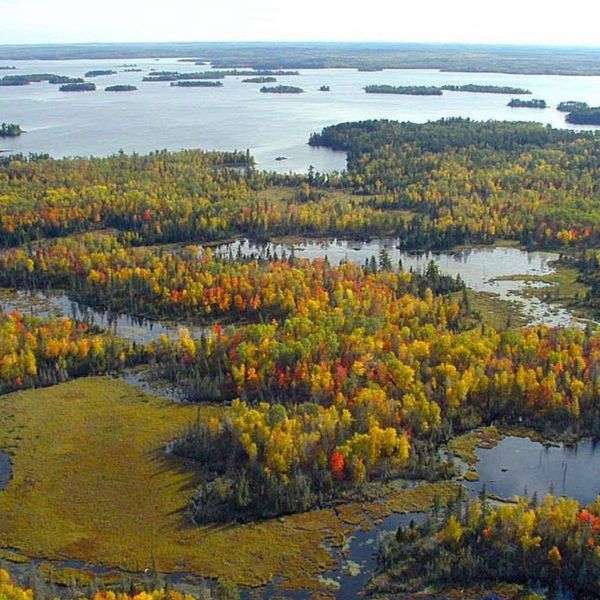
The defining feature of Voyageurs National Park is its extensive network of lakes, rivers, and interconnected waterways. Rainy Lake, Kabetogama Lake, Namakan Lake, and Sand Point Lake are among the major lakes within the park. The waterways provide a picturesque setting for boating, canoeing, and kayaking.
Islands
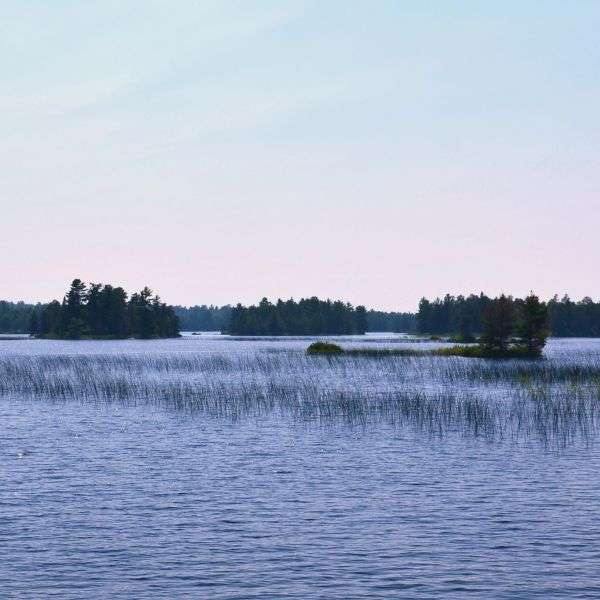
The park is dotted with numerous islands, both large and small, which contribute to its unique and varied geography. Some of the notable islands include Black Bay Peninsula, Cutover Island, and Cruiser Island. These islands offer diverse habitats and recreational opportunities.
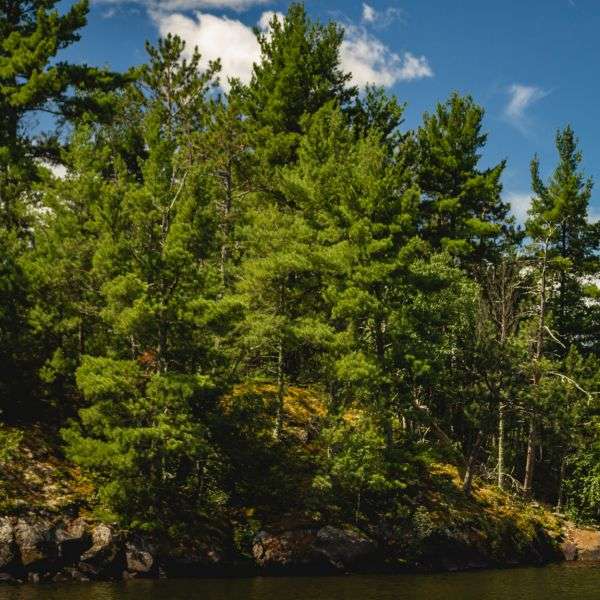
Forests
The park is situated within the boreal forest region, characterized by dense forests dominated by coniferous trees such as pine and spruce. Mixed hardwood forests are also present, contributing to the overall biodiversity of the park.
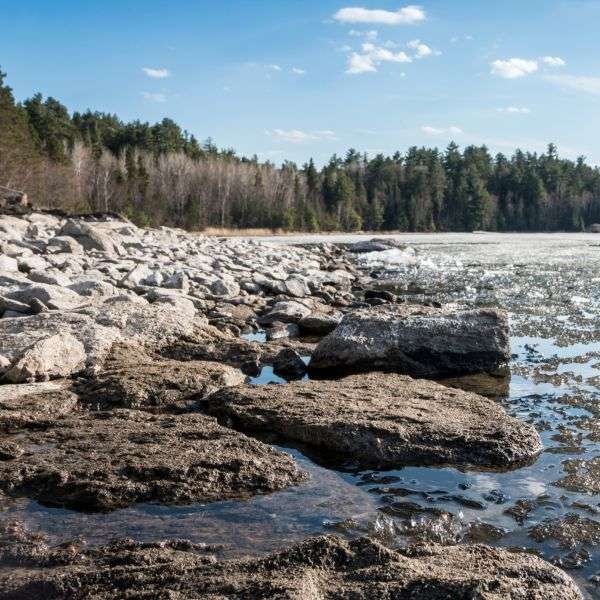
Canadian Shield
The bedrock of Voyageurs National Park is part of the Canadian Shield, one of the Earth's oldest geological formations. This ancient rock contributes to the rugged and rocky terrain found throughout the park, particularly along the shorelines and on the islands.
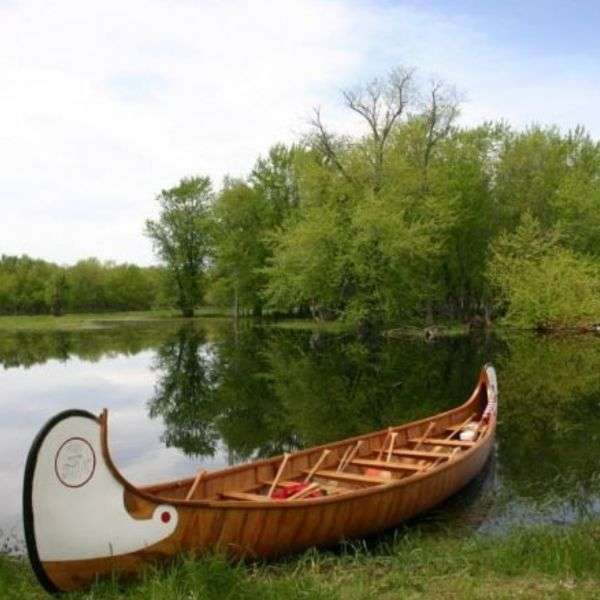
Portage Trails
Historically, Native American tribes and fur traders used portage trails to navigate between the waterways, carrying canoes and goods over land to connect different lakes and rivers. These historic portage trails are part of the cultural and geographic heritage of the park.
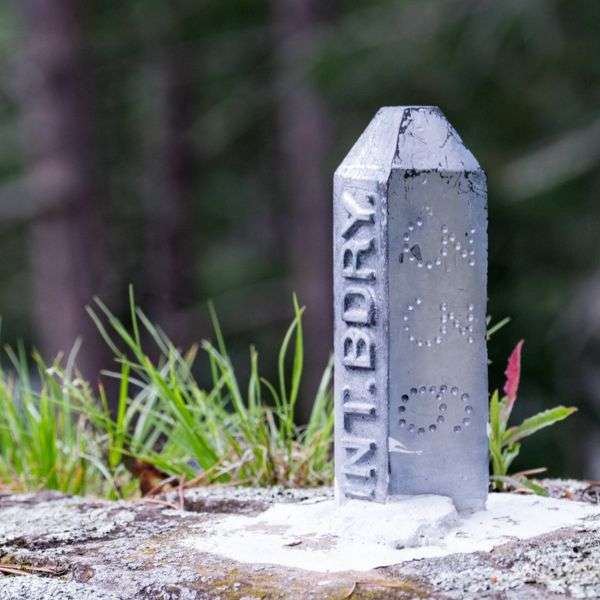
International Border
The park shares a border with Canada, and its ecosystem is connected with Quetico Provincial Park in Ontario. The international aspect adds to the unique character of Voyageurs National Park and underscores the importance of cross-border conservation efforts.
Plants
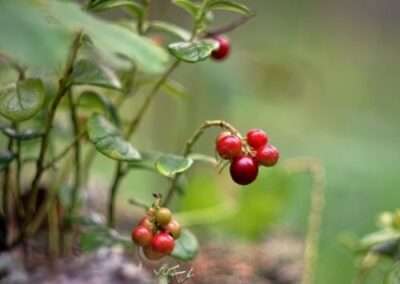
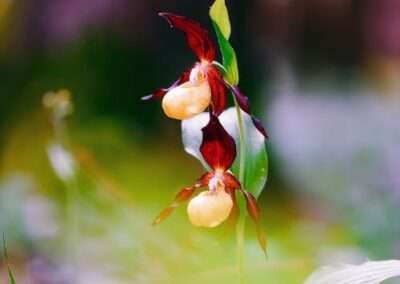
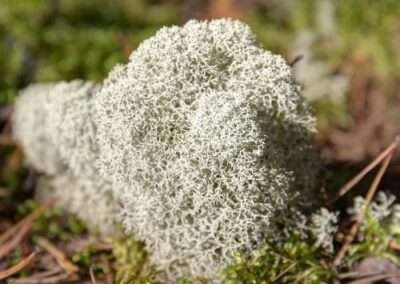
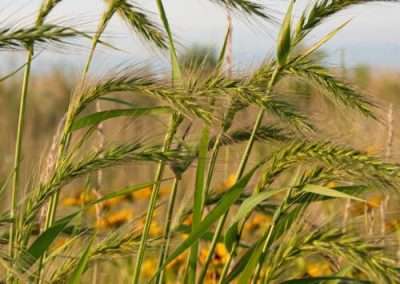
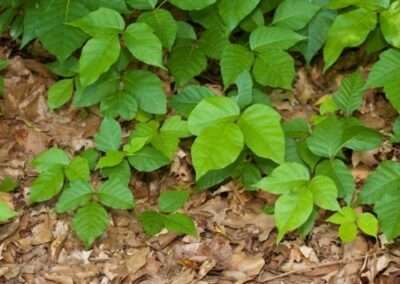
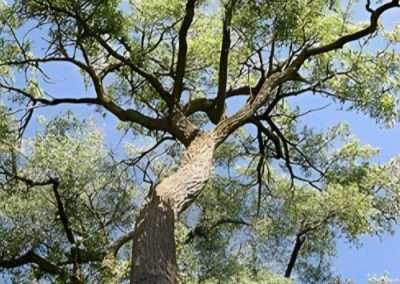
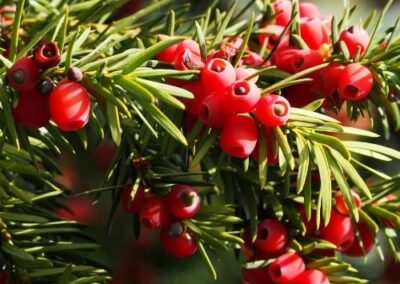
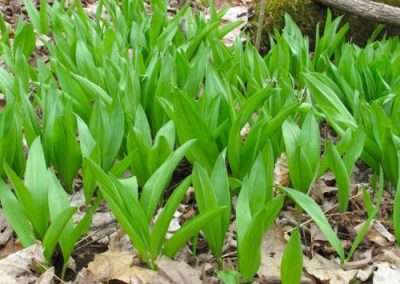
Voyageurs National Park is home to a wide variety of plants that grow in its boreal forests, wetlands, lakeshores, and rocky areas. The park's plant life includes tall conifer trees, deciduous trees, grasses, shrubs, and colorful wildflowers adapted to the cool northern climate. Visitors can explore the park's forests and waterways while discovering the many plants that help support the area's wildlife and healthy ecosystems.
Animals
Mammals
Voyageurs National Park is home to many mammal species that live in its boreal forests, wetlands, lakes, and rivers. These animals are adapted to the park's northern climate and play important roles in the ecosystem.
Moose (Alces alces): Moose are the largest members of the deer family and are commonly found in the park. They often feed on aquatic plants and may be seen near lakes, ponds, and wetlands.
Black Bear (Ursus americanus): Black bears live in the park's forests and are excellent climbers. They eat a variety of foods, including berries, plants, insects, and small animals.
North American River Otter (Lontra canadensis): River otters live in the park's lakes and waterways. These strong swimmers hunt fish and other aquatic animals and are often seen playing in the water.
Gray Wolf (Canis lupus): Gray wolves live in and around Voyageurs National Park. They are important predators that help maintain balance in the ecosystem by controlling prey populations.
Red Fox (Vulpes vulpes): Red foxes are adaptable mammals found in forests and open areas. They hunt small animals and also eat insects, fruits, and other foods.
Eastern Chipmunk (Tamias striatus): Eastern chipmunks are small mammals found in wooded areas. They collect and store seeds, nuts, and other foods for later use.
American Beaver (Castor canadensis): Beavers are common in the park's waterways. Their dams create wetlands that provide important habitats for fish, birds, and other wildlife.
White-tailed Deer (Odocoileus virginianus): White-tailed deer are common throughout the park. They feed on grasses, leaves, and other vegetation found in forests and meadows.
American Mink (Neovison vison): Mink are small, semi-aquatic mammals that live near streams, lakes, and wetlands. They hunt fish, frogs, and small mammals.
Snowshoe Hare (Lepus americanus): Snowshoe hares are adapted to snowy winters. Their fur changes from brown in summer to white in winter, helping them blend into their surroundings.
Fisher (Pekania pennanti): Fishers are members of the weasel family and live in forest habitats. They are skilled climbers and hunters that are mostly active at night.
Northern Flying Squirrel (Glaucomys sabrinus): Northern flying squirrels live in conifer forests and are active at night. They use a flap of skin between their legs to glide from tree to tree.
The mammals of Voyageurs National Park are an important part of the park's natural communities. Protecting forests, wetlands, and waterways helps ensure these species continue to thrive.
Reptiles
```html id="r6p2yd"
Voyageurs National Park has fewer reptile species than warmer regions because of its cool northern climate. The park's reptiles are mainly turtles and snakes that are adapted to forests, wetlands, lakes, and rivers.
Common Snapping Turtle (Chelydra serpentina): Common snapping turtles are large freshwater turtles found in the park's lakes, ponds, and slow-moving waterways. They have strong jaws and often rest near the water's edge.
Painted Turtle (Chrysemys picta): Painted turtles are common in the park's wetlands and lakes. They have colorful shell markings and are often seen warming themselves on logs in the sun.
Blanding's Turtle (Emydoidea blandingii): Blanding's turtles are medium-sized turtles with a bright yellow throat and chin. They prefer shallow wetlands and quiet waters with plenty of vegetation.
Northern Map Turtle (Graptemys geographica): Northern map turtles live in larger rivers and lakes. They have detailed patterns on their shells that look like the lines on a map.
Common Garter Snake (Thamnophis sirtalis): Common garter snakes are found in many habitats, including forests, wetlands, and grassy areas. These non-venomous snakes help control populations of small animals and insects.
The reptiles of Voyageurs National Park are an important part of the park's ecosystems. Protecting wetlands, waterways, and forests helps support these species and the habitats they depend on.
```
Birds
Voyageurs National Park is a great place for birdwatching because its forests, wetlands, lakes, and rivers provide habitats for many bird species. The park is home to both year-round residents and birds that migrate through the region.
Common Loon (Gavia immer): Common loons are one of the most recognizable birds of northern lakes. They are often seen swimming, diving, and calling across the park's waterways.
Bald Eagle (Haliaeetus leucocephalus): Bald eagles are common in Voyageurs National Park. They use the park's large lakes and forests for nesting and hunting fish.
Osprey (Pandion haliaetus): Ospreys are skilled fish hunters that live near lakes and rivers. They can often be seen flying above the water before diving to catch fish.
Common Merganser (Mergus merganser): Common mergansers are diving ducks found on the park's lakes and rivers. They use their long, narrow bills to catch fish and other aquatic animals.
Great Blue Heron (Ardea herodias): Great blue herons are large wading birds often found along shorelines and wetlands. They patiently wait in shallow water to catch fish and other prey.
American White Pelican (Pelecanus erythrorhynchos): American white pelicans visit the park during warmer months. They often gather in groups on lakes and use their large bills to catch fish.
Black-capped Chickadee (Poecile atricapillus): Black-capped chickadees are common woodland birds known for their friendly behavior and distinctive "chick-a-dee-dee-dee" call.
Red-breasted Nuthatch (Sitta canadensis): These small birds live in conifer forests. They climb along tree trunks while searching for insects and seeds.
Yellow-rumped Warbler (Setophaga coronata): Yellow-rumped warblers are migratory songbirds that can be seen in the park during spring and summer. They feed on insects and berries.
Northern Saw-whet Owl (Aegolius acadicus): Northern saw-whet owls are small, nocturnal owls found in forest habitats. They are easier to hear than see because of their quiet, nighttime behavior.
Ruby-throated Hummingbird (Archilochus colubris): Ruby-throated hummingbirds visit the park during the warmer months. They feed on nectar from flowers and help pollinate plants.
Pileated Woodpecker (Dryocopus pileatus): Pileated woodpeckers are large forest birds with a bright red crest. They use their strong bills to search for insects in trees.
The birds of Voyageurs National Park are an important part of its ecosystems. Protecting forests, wetlands, and waterways helps provide safe habitats for these species throughout the year.
Fish
Voyageurs National Park is known for its clear lakes and connected waterways, which provide habitats for many fish species. Fishing is a popular activity in the park, and fish play an important role in the health of the aquatic ecosystem.
Walleye (Sander vitreus): Walleye are one of the most popular fish in Voyageurs National Park. They are often found near rocky areas, underwater structures, and deeper parts of lakes.
Northern Pike (Esox lucius): Northern pike are powerful predators found throughout the park's waters. They use their speed and sharp teeth to catch smaller fish.
Smallmouth Bass (Micropterus dolomieu): Smallmouth bass live near rocky shorelines and clear waters. They are popular with anglers because they are strong swimmers and put up a good fight when caught.
Lake Trout (Salvelinus namaycush): Lake trout live in the deep, cold waters of some of the park's lakes. They are large fish that are well adapted to northern freshwater environments.
Muskellunge (Esox masquinongy): Muskellunge, also called muskie, are large freshwater predators. They are known for their size, strength, and the challenge they provide to anglers.
Lake Whitefish (Coregonus clupeaformis): Lake whitefish are found in deeper waters and are an important part of the park's aquatic food web. They are also a popular fish for winter fishing.
Cisco (Coregonus artedi): Cisco, also called lake herring, are important prey fish in the park's lakes. They provide food for larger fish, birds, and other wildlife.
Yellow Perch (Perca flavescens): Yellow perch are common in many of the park's waters. They are popular with anglers because they are easy to catch and are good to eat.
Burbot (Lota lota): Burbot are freshwater fish related to cod. They live in cold, deep waters and are most active at night.
Sauger (Sander canadensis): Sauger are related to walleye and are found in similar habitats. They are valued by anglers for their fighting ability and quality as a food fish.
The fish of Voyageurs National Park are an important part of the park's lakes and rivers. Protecting water quality and aquatic habitats helps maintain healthy fish populations for wildlife and visitors.
Amphibians
Amphibians are an important part of Voyageurs National Park's ecosystems. They help support food webs and can provide signs of environmental health. The park's wetlands, lakes, forests, and shorelines provide habitats for several amphibian species.
Northern Leopard Frog (Lithobates pipiens): Northern leopard frogs are common in the park and live near wetlands, ponds, and lakes. They are recognized by their green or brown coloring and dark spots.
Wood Frog (Lithobates sylvaticus): Wood frogs live in the park's forests and wetlands. They can survive freezing temperatures during winter and become active early in spring.
American Toad (Anaxyrus americanus): American toads are found in many habitats, including forests, gardens, and wetlands. They have dry, bumpy skin and help control insect populations.
Mink Frog (Lithobates septentrionalis): Mink frogs live in and around the park's lakes and ponds. They are aquatic frogs and are named for their musky odor, which is similar to a mink.
Gray Treefrog (Hyla versicolor): Gray treefrogs are small frogs that climb trees and shrubs near wetlands. They are often heard calling during warmer months.
Spring Peeper (Pseudacris crucifer): Spring peepers are tiny treefrogs known for their loud, high-pitched calls. They are among the first frogs to become active after winter.
Green Frog (Lithobates clamitans): Green frogs are commonly found near lakes, ponds, and slow-moving water. Their deep "gunk" call is often heard near the shoreline.
Boreal Chorus Frog (Pseudacris maculata): Boreal chorus frogs can live in wetlands and other open habitats. They are known for their quick, repeated calls during the breeding season.
The amphibians of Voyageurs National Park are important indicators of healthy wetlands and waterways. Protecting these habitats helps ensure that frogs and other wildlife continue to thrive.
"The national parks in the U.S. are destinations unto themselves with their grandeur and beauty, and Voyageurs National Park is no exception."
- Roger W. Thompson
"Within minutes a person feels like they are in the middle of nowhere, lost in miles upon miles of wild forest. In a short while a person perceives wilderness and gains the esthetic and emotional benefits of being in a wild place. That is what Voyageurs is to me – a place of wilderness, a place to get lost, a place of quiet, peace, and solitude. In the truest sense, my soul feels rested and quiet when wandering through the woods of the park."
- Tom Gable
Explore More With Us
Stay updated on National Parks EDU resources, park news, community updates, and and ways to explore, and protect.

National Parks Edu's mission is to help kids and families understand what makes these places so important. Because when you learn about nature, you start to care about protecting it.
National Parks EDU is an independent educational website and is not affiliated with, endorsed by, sponsored by, or officially connected to the National Park Service (NPS) or the U.S. government. © National Parks EDU. All Rights Reserved. October 17, 2026